
Climbing Mt. Kilimanjaro
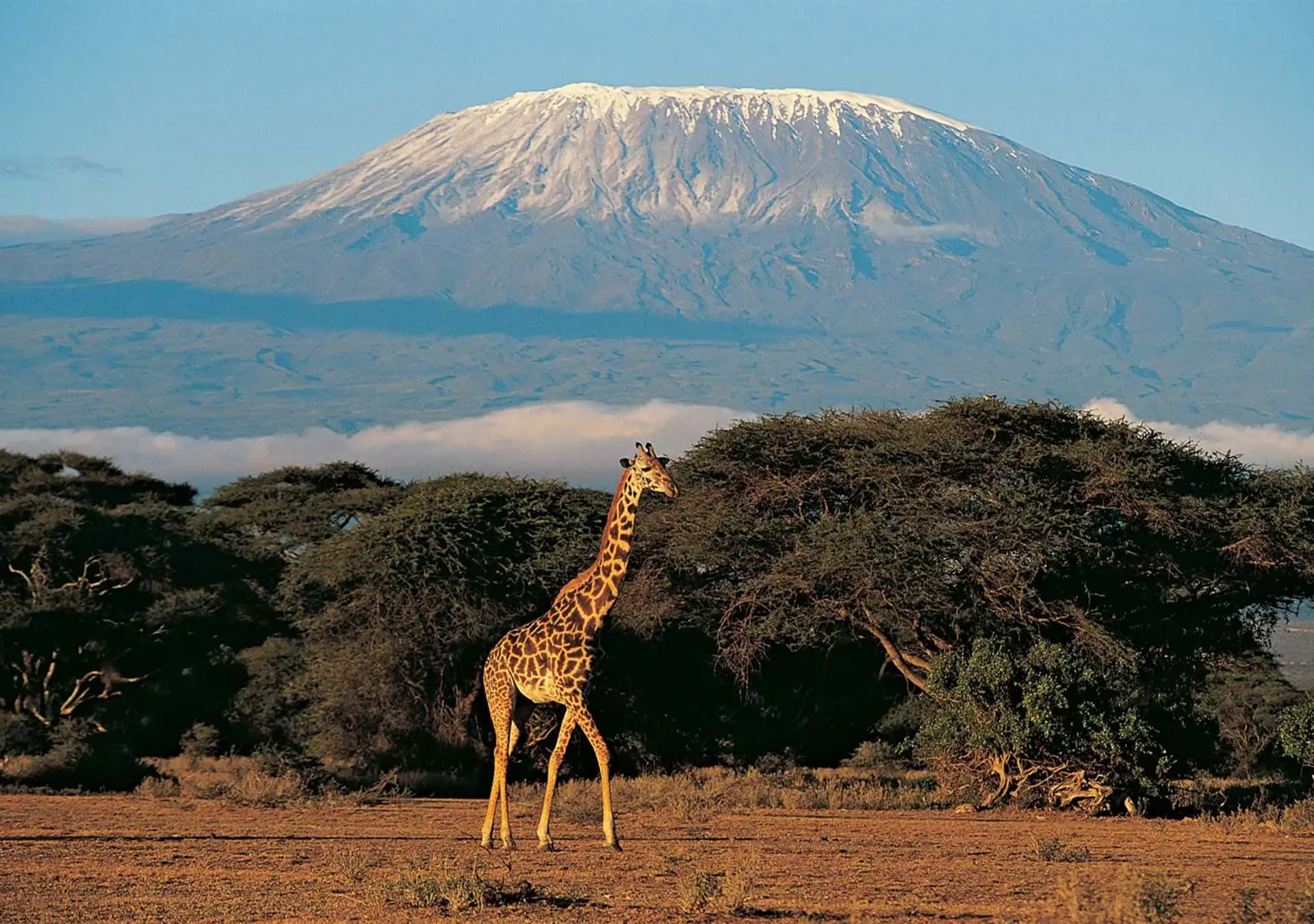
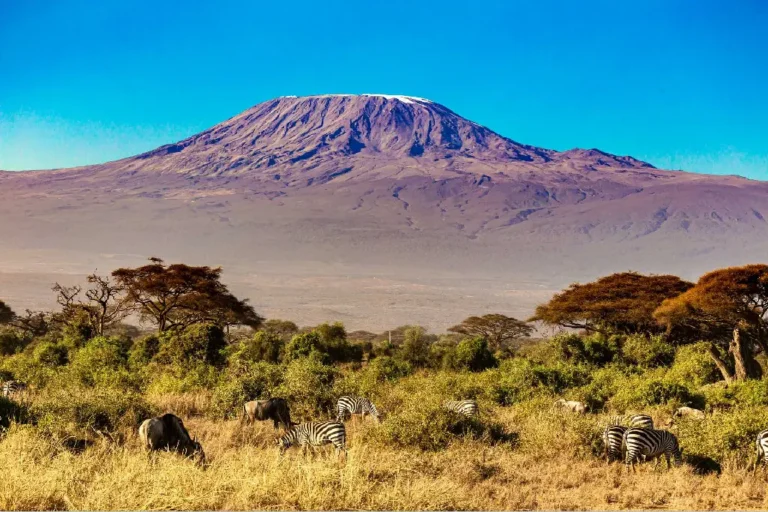
Mt Kilimanjaro is situated in the east African country of Tanzania. Visitors arrive in the country either at Julius Nyerere International Airport near the capital, Dar es Salaam, or Kilimanjaro International Airport. From there, make your way to Moshi or Arusha, depending on the departure point for your chosen route. It is advisable to arrive a couple of days before your trek departs, so you will need to arrange accommodation if not included in your package.
Kilimanjaro can be climbed year-round, although inclement weather and uncomfortable conditions in the Wet Seasons (April-May and November – mid-December) mean that most people climb in the Dry Seasons, from January to mid-March and June to October. The optimal climbing conditions mean that this is the busiest time for expeditions. For those who are more experienced and prefer some solitude, a Wet Season climb can be a rewarding challenge. Expeditions can encounter extreme weather events at any time, so be prepared.
The minimum age limit to climb Kilimanjaro is 10 years old. A special exemption may be issued for younger persons at the sole discretion of the Parks Authority. The authorities do not impose restrictions on who may attempt to climb the mountain, and numerous individuals with special needs or disabilities have successfully summited. While not technical, the trek is strenuous and participants should consult their doctor if they have pre-existing conditions that may be affected by extreme exertion or altitude.
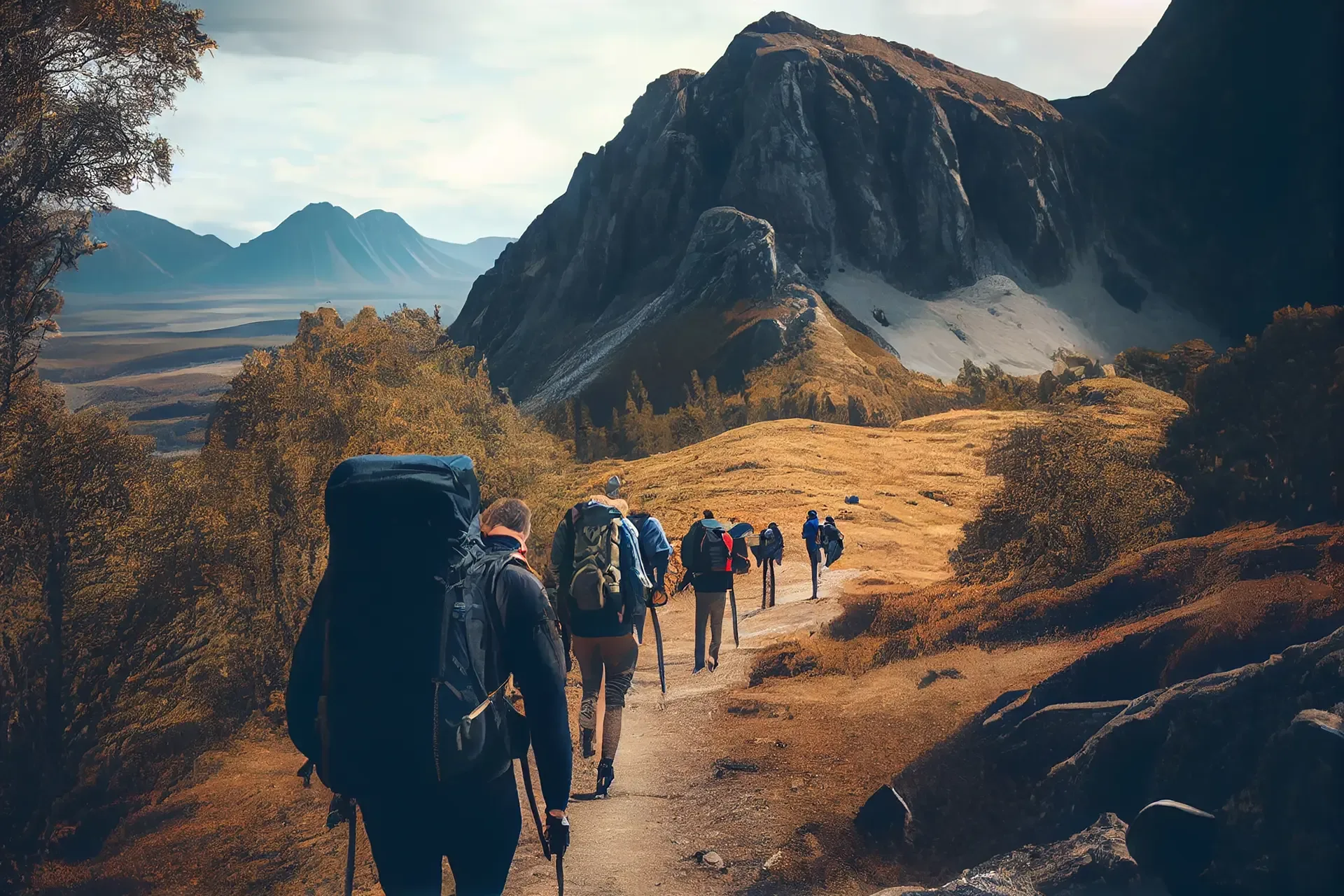
Tents and equipment for meal preparation are provided with quality varying between operators. All luggage and camping gear is carried by porters This necessitates large support teams. Typically, two people share a tent and they also have a large mess tent, complete with tables and chairs where meals are prepared and served. We highly recommend that you bring your own tried and tested gear, such as an expedition-quality sleeping bag (rated to -18 deg. Celsius) and walking poles.
Altitude sickness, or Acute Mountain Sickness, is the primary health concern. Symptoms include headaches, nausea, vomiting, dizziness, fatigue, loss of appetite and shortness of breath. Other extreme conditions are High Altitude Pulmonary Edema and Cerebral Edema. These conditions typically present above 2500m and are caused by ascending too quickly. Gastrointestinal complaints may also occur.
We recommend that you consult your healthcare professional for advice, prevention and treatment options. Given the rugged environment, there is also an inherent risk of injuries typical of outdoor pursuits. Make sure your expedition team is well-equipped for all outcomes. For your own peace of mind and well-being, we encourage you to make every effort to select a reliable operator with qualified and experienced guides.